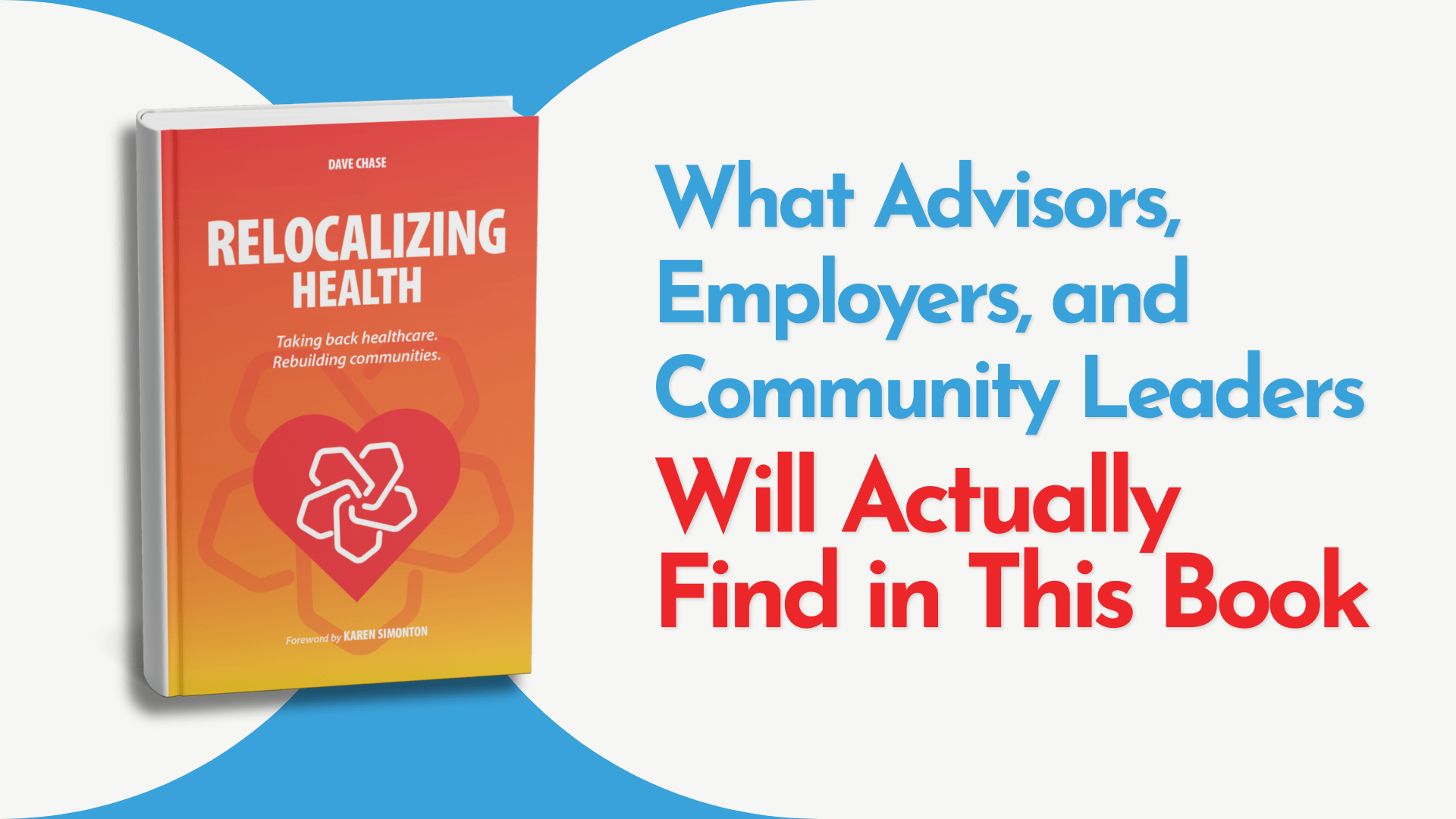
The book is not a diagnosis of what is wrong. It is a field manual for three specific audiences: advisors, employers, and community leaders. Here is what each of them will walk away with.
Every previous episode in this series has covered a specific community or a specific concept from the book. This one is different. This episode is for the person who wants to know what is actually inside Relocalizing Health before they pick it up, and what they will walk away able to do.
For Advisors
The book is a field manual for building fiduciary-grade plans that hold up under scrutiny. It covers the contractual language that separates a plan built to perform from one built to generate revenue for intermediaries. It covers the data access requirements that give employers genuine visibility into how their money is being spent. And it covers the selection and evaluation frameworks that let advisors build real accountability into every vendor relationship.
The advisors in the Health Rosetta ecosystem have been using these frameworks for years. The book puts them in one place, in language any advisor can take directly into a client conversation.
For Employers
The book shows what it looks like when a health plan is treated as a line of business an organization is actually willing to manage. Not a cost center that absorbs annual increases and passes them on to employees. A strategic asset that generates a real dividend and reinvests it in the workforce.
The employers in this book are not exceptional. They are not large. Many of them are in rural communities with limited resources. What they have in common is that someone in their organization made a decision to stop accepting the status quo and started managing the health plan the way they would manage any other major expenditure.
For Community Leaders
The book makes the case that healthcare cost is an economic development problem with a documented solution. The communities that get this right do not just save money. They redirect those savings into schools, workforce development, housing, and the kinds of investments that build durable local economies.
And the AI Catalyst section of the book makes the urgency explicit. As artificial intelligence displaces workers at scale, the communities that have figured out how to generate and redirect healthcare savings will have the resources to invest in workforce transition. The ones that have not will face a compounding crisis. This is not a future problem. It is arriving now.
The Tools Are There
The Nautilus Health Institute has democratized the tools. This is no longer locked behind expensive consultants or proprietary frameworks. The playbook exists. The proof is in the communities described in this book and in the appendix. What is left is the will to use it.
The book launches July 29 at RosettaFest in Nashville. Every attendee gets a copy.
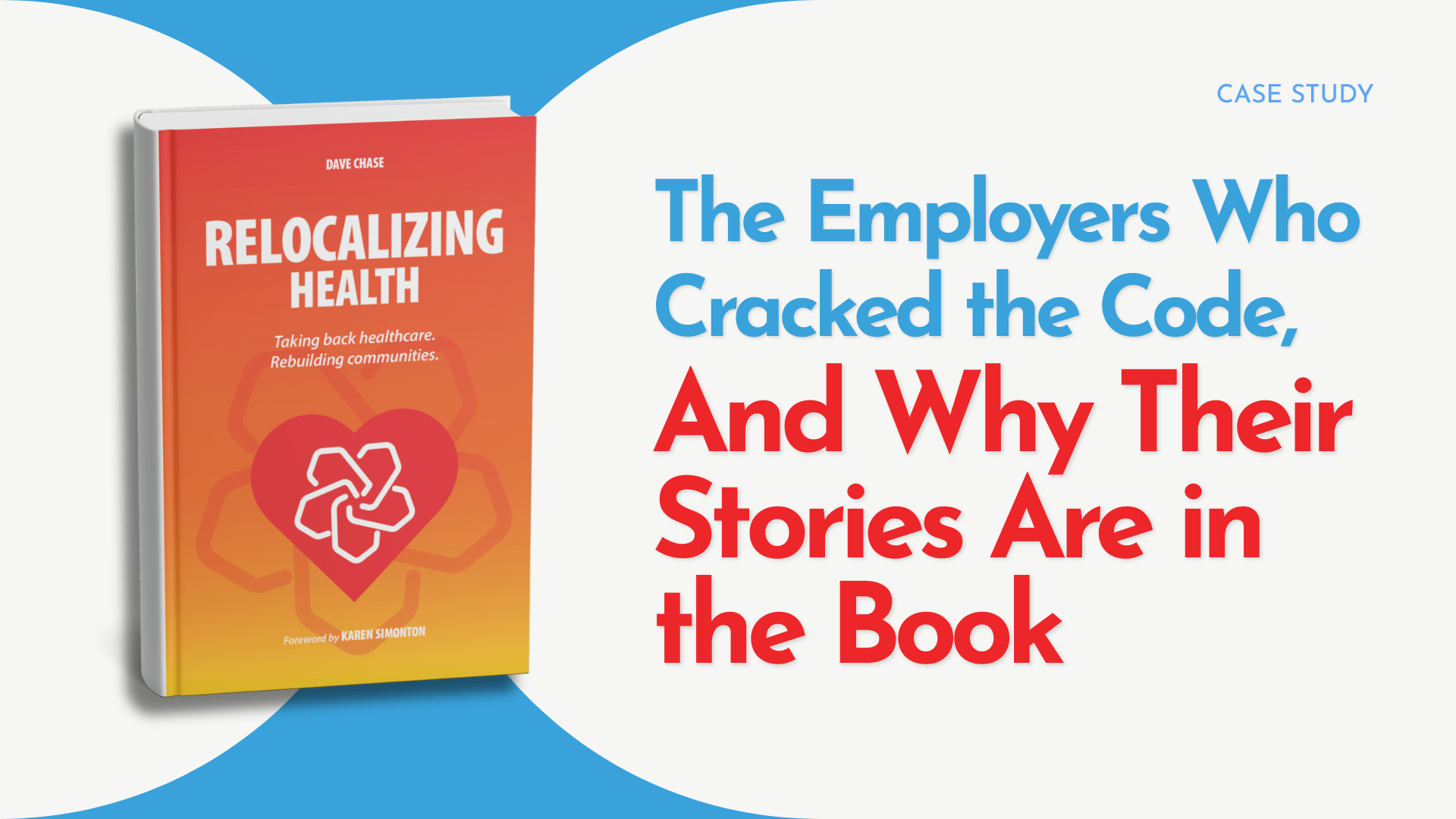
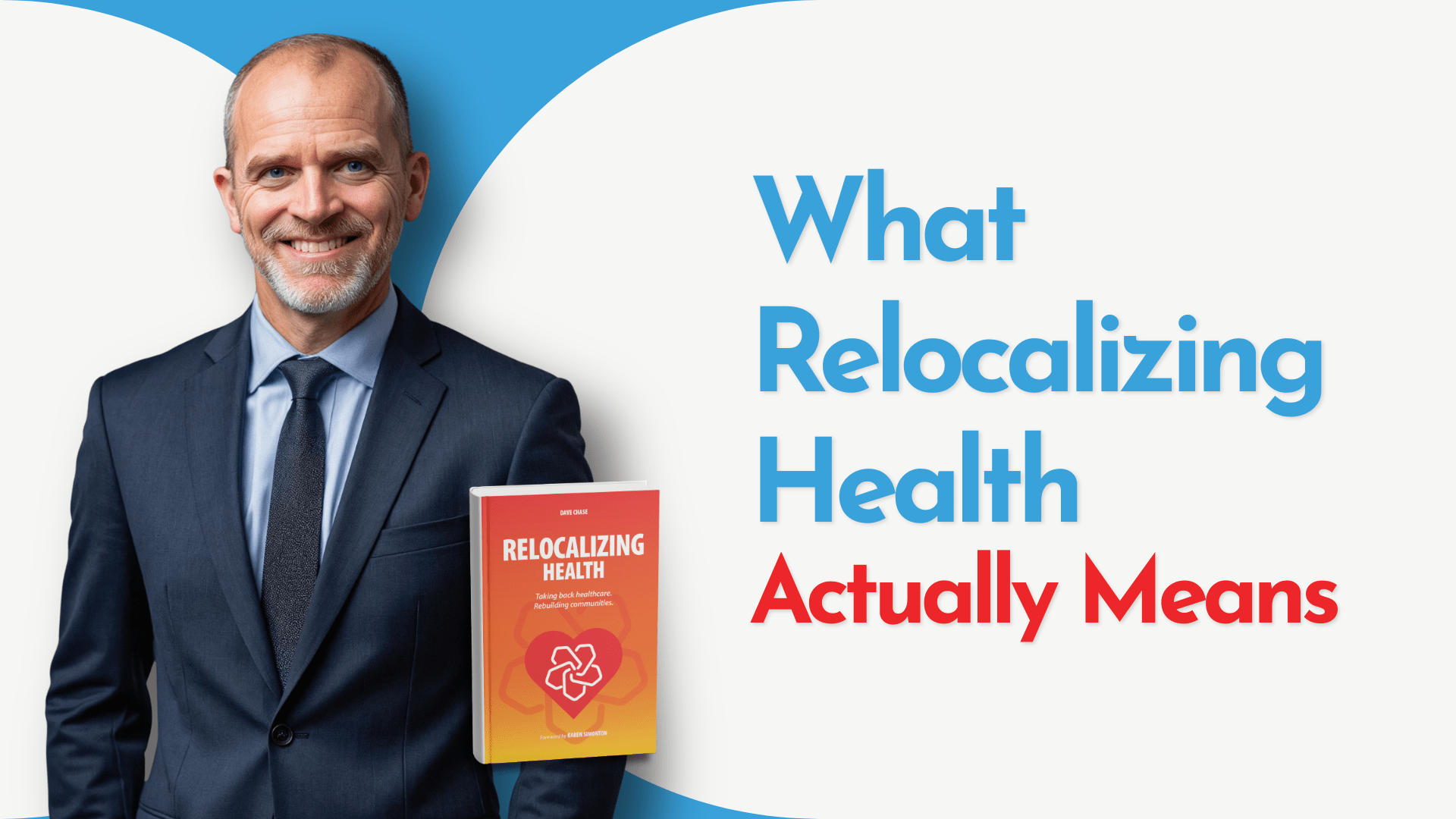
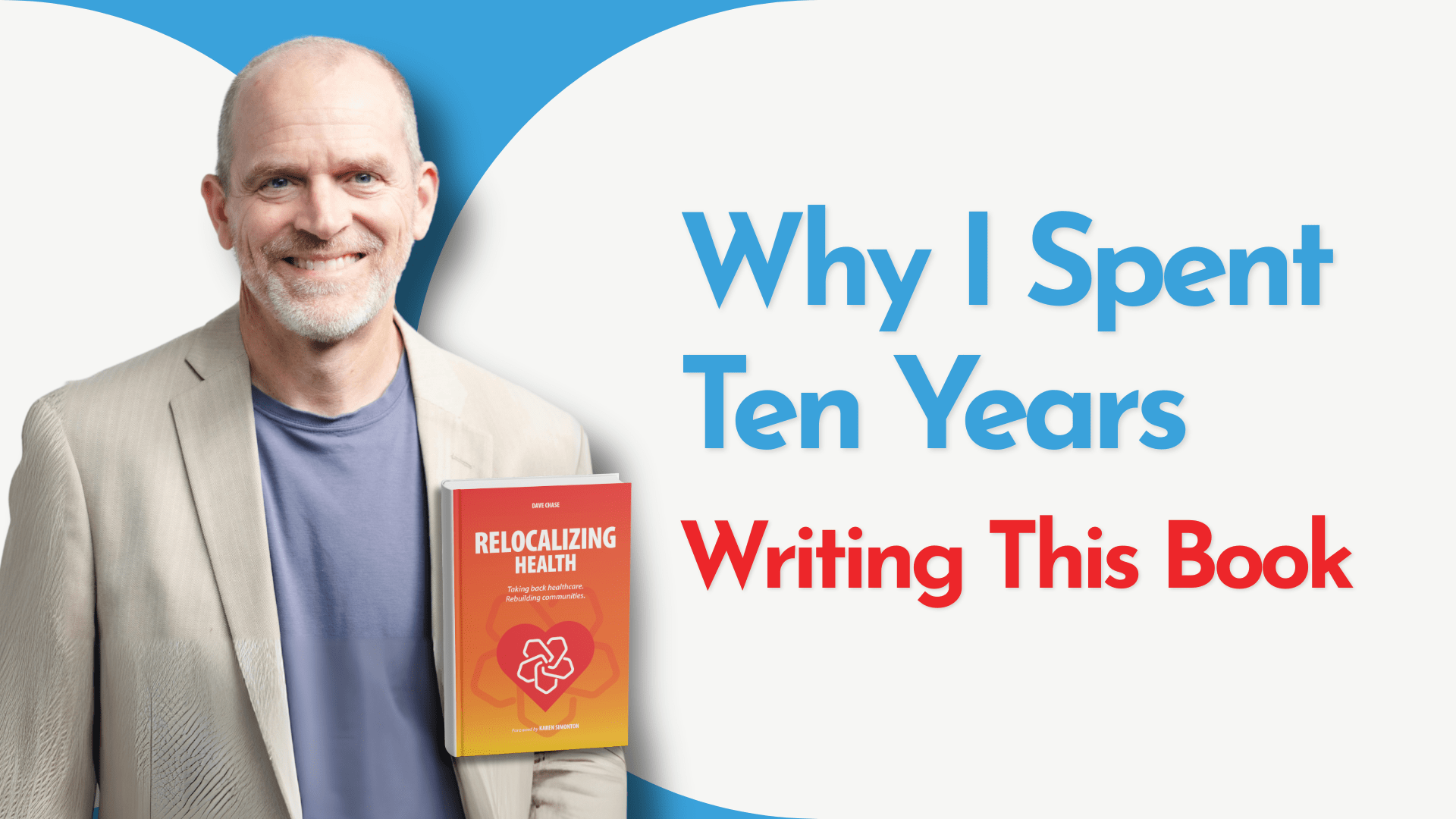
Pre-order Relocalizing Health by Dave Chase on Amazon now.
Get your ticket at RosettaFest.org.