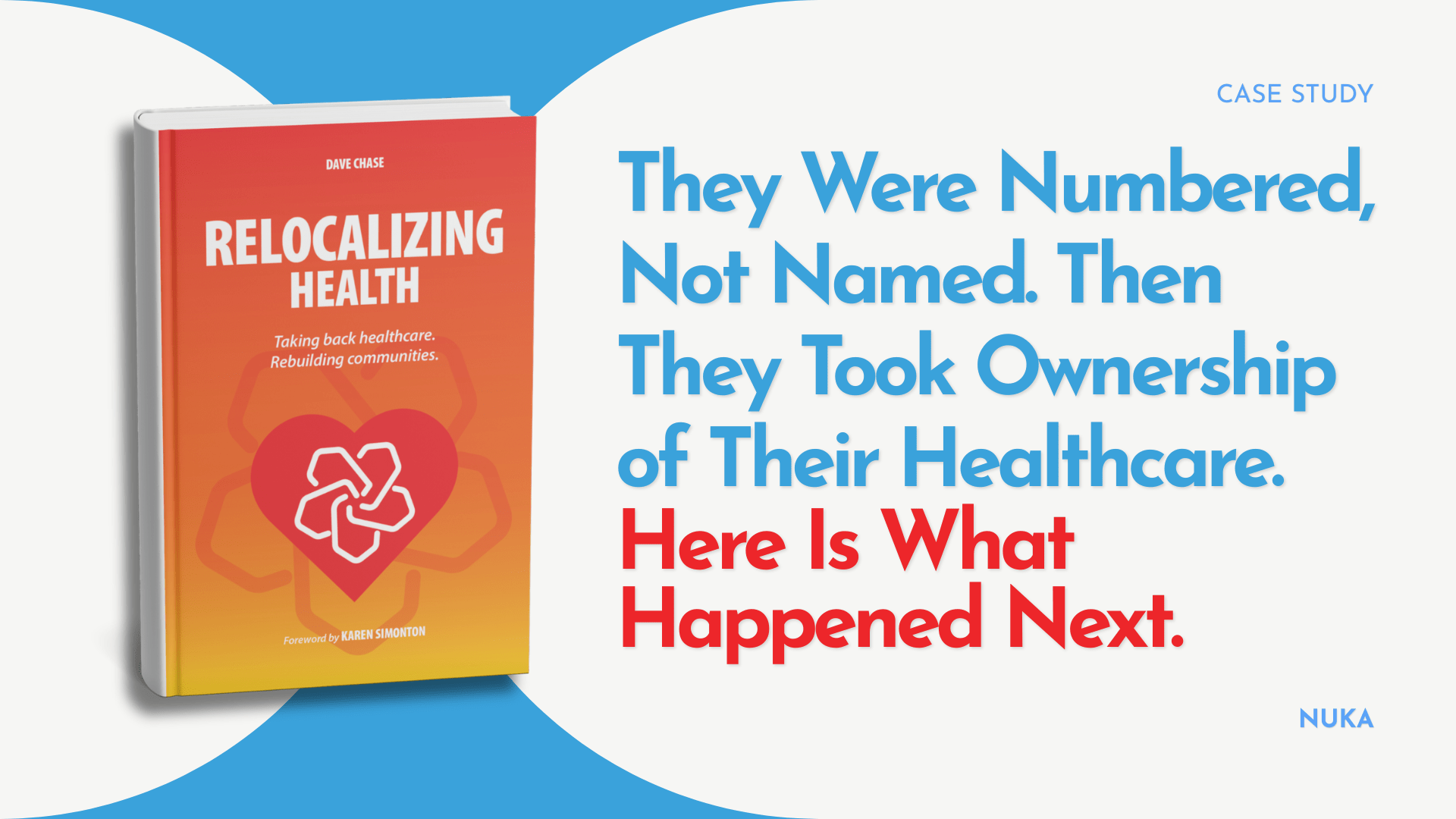
The Southcentral Foundation serves 70,000 Alaska Native people across a geography the size of Sweden. What they built is considered by many to be the best healthcare system in the world. Here is how they did it and why it matters for every employer in America.
An elder from the Alaska Native community described the old system in a way no statistic ever could. She said: we weren’t people there, we were numbers. I was number 24601. My newborn daughter was 24602. When my aunt passed, they gave her number to another baby.
That was the Alaska Native Medical Center. Built in the 1950s as a tuberculosis sanatorium. By the late 1990s, people planned on a six-hour wait for basic care. Appointment backlogs stretched six weeks. Health outcomes were among the worst in the United States and some of the worst in the world.
April Kyle grew up in that system. She avoided the hospital as a child because going was a horrible experience. She is now the President and CEO of Southcentral Foundation, which runs the Nuka System of Care serving those same 70,000 people. And the system she leads has won the Malcolm Baldrige National Quality Award twice. The only healthcare organization in America to accomplish that.
April Kyle is flying from Alaska to RosettaFest 2026 in Nashville to share this story. You can be in the room with her on July 29 to 31 at the Gaylord Opryland.
The Single Most Powerful Idea
The transformation that built the Nuka System did not start with a technology investment or a new billing model. It started with a word.
They stopped calling people patients.
Katherine Gottlieb, who served as CEO in the earlier part of the transition, explained the shift with a simple story. When she walked into Nordstrom, people came to her asking how they could help. She was presented choices and then she decided. That is what they wanted in their healthcare system. Everyone the old system would have called a patient became a customer-owner.
Dr. Douglas Eby, Chief Medical Officer of Southcentral Foundation, put the philosophy into three sentences that I find myself returning to constantly: when you’re a patient, things are done to you. When you’re a customer, you have a choice. When you’re an owner, you have control.
That is not a branding exercise. It flips the entire power dynamic of medicine.
April Kyle’s framing of her own job is the leadership lesson of the decade. She said: I’m not the expert at what services should be delivered. I need to be an expert at how to be driven by the community. That is a different kind of expertise and most healthcare leaders never develop it.
What Same-Day Access Actually Looked Like
The first impossible thing the Nuka model leadership committed to was same-day access for anything. For a community used to six-week backlogs and all-day emergency room waits for basic needs, this sounded like leadership had lost their minds. A nurse leader described the staff reaction plainly: people thought we were crazy.
Within six months, same-day access was hitting 95 percent availability. One physician called it learning to fly while building the airplane.
The physical space changed too. Private offices came out. Line of sight became sacred. Physician, nurse, case manager, behavioral health consultant, pharmacist, and dietitian all share a workspace where they can turn around and talk to a colleague in real time. When a new mother comes in for a routine checkup and mentions she is feeling overwhelmed, a behavioral health consultant joins that visit right then, not at a referral appointment three weeks later at a different building. April says that immediate response can make all the difference in the world.
None of it happened by accident. Southcentral Foundation spends roughly ten times the usual amount on training, coaching, and mentoring. The culture includes everyone from the physician to the maintenance staff.
The Numbers That Sound Made Up
Emergency room use down approximately 45 percent. Hospital admissions down 53 percent. Specialist use down 65 percent. Quality scores moved from the bottom fifth percentile to the 75th and often the 90th percentile. Childhood immunization rates at 93 percent. Diabetes complications down approximately 25 percent. Customer-owner and employee satisfaction both hovering around 95 percent. Total cost running 20 to 30 percent below national averages in one of the most expensive geographies in the country.
Over half the employees are now Alaska Native people. A janitor described watching coworkers show up in beaten-up cars in the early days. Now some of them are buying homes. The health system became an engine of community wealth building.
The Community Actually Decides
The ownership model is not ceremonial. Two examples make this clear.
Southcentral Foundation scheduled mammogram screening flights for the women of a small island community in late fall, after moose hunting season. The women said no. A community member told April directly: that is when the work starts for women. None of us are getting in the plane. They wanted February instead. April worried about winter cancellations in Alaska. The women said: you have zero percent chance in the fall. You have some chance in February. So they rescheduled it. The community was right.
The second example involves fentanyl test strips. April flew out to speak with a local health council about harm reduction. The room was in tears. People had lost neighbors, lost family members. At the end of the meeting, the council said they would set up a table at the grocery store. Then they asked April to sit with them. She said she was April from Anchorage. Would they sit at the table too? The room went quiet. Then through tears, they said yes. That is community-driven health in its full expression. A neighbor at a grocery store table talking to other neighbors.
Why Nobody Has Copied It
This model is documented. It has been studied by researchers from across the world. It has won every major award available to it. And almost nobody has replicated it at scale.
Copying the tactics is relatively easy. Copying the ownership model is not. You cannot fake who is actually in control.
But here is what gives me genuine hope. Not every community has the Indian Self-Determination Act, which was the legislation that gave Alaska Native and Native American peoples the legal pathway to take back control of their healthcare. But every employer and every union can establish their own health sovereignty using the same principles. I call it the Community Self-Determination Act, a DIY version of health reform. That is exactly why Health Rosetta and the Nautilus Health Institute exist.
The bridge from Alaska to your organization runs directly through the principles that April Kyle and Southcentral Foundation have spent three decades building and measuring.
April Kyle at RosettaFest 2026
April Kyle is joining the main stage at RosettaFest 2026 in Nashville, July 29 to 31 at the Gaylord Opryland. She is flying from Alaska to be there. If you want to understand how the Nuka System of Care actually works from the person who runs it, this is your opportunity.
Pre-order Relocalizing Health by Dave Chase on Amazon now. The full Nuka story is in the book.
Get your ticket at RosettaFest.org.